Personalized Railings and Stairs: Bring Style and Functionality to Your Deck
Custom railings and stairs play an essential role in enhancing the aesthetics and functionality of a deck. By opting for specialized designs and materials, homeowners can create an inviting outdoor space that reflects their personal style. Structural integrity and long-lasting performance are also key priorities. Examining different styles and materials can uncover choices that achieve the ideal equilibrium. What elements should homeowners evaluate when beginning this design process?
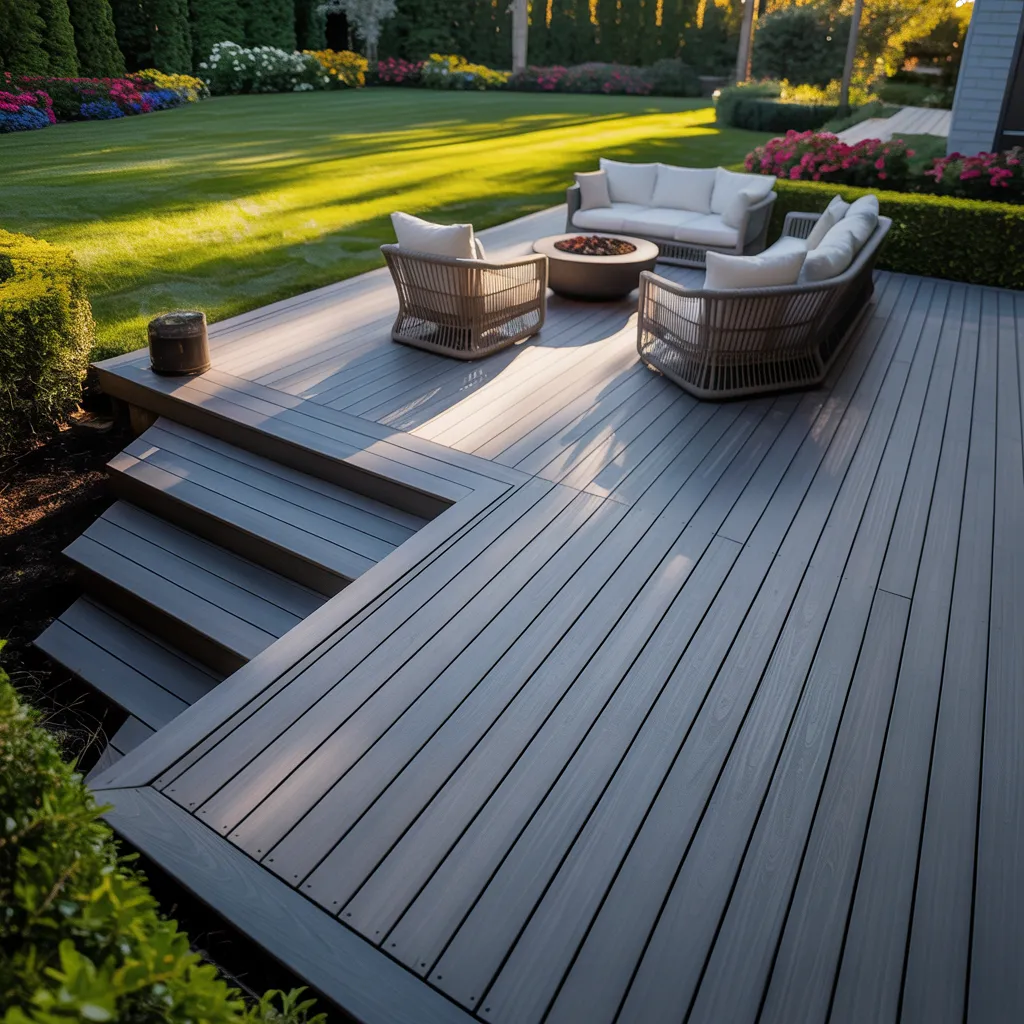
The Perks of Custom Railings and Stairs
Custom railings and staircases enhance both visual appeal and functionality in any setting. They offer a unique opportunity to enhance the visual appeal, converting everyday spaces into impressive focal points. By integrating custom designs, homeowners can seamlessly align these elements with their existing decor, reflecting individual tastes and style preferences.
Apart from aesthetics, custom railings and stairs offer considerable safety advantages. Tailored designs can guarantee conformity with local building standards while minimizing the risk of accidents. The use of resilient materials additionally improves durability, reducing the need for frequent repairs or replacements.
Furthermore, custom solutions allow for optimal use of available space, particularly in difficult configurations. Through innovative designs, homeowners have the ability to improve comfort and usability. All things considered, selecting tailored railing and stair solutions delivers both aesthetic charm and practical advantages, positioning them as a key upgrade for any living or working space.
Popular Options of Custom Stairs and Railings to Think About
Style selections for stairs and railings can significantly impact the overall feel of a given area. Among the most sought-after designs is the timeless wooden railing, which offers warmth and a timeless appeal. Modern metal railings, often featuring sleek lines and minimalist designs, provide a contemporary touch while ensuring durability. For those seeking a rustic vibe, wrought iron railings can introduce elaborate details and charm. Clear glass railings are increasingly favored for their ability to create an open, airy feel, allowing unobstructed views. Furthermore, wire cable railings blend functionality with style, making them suitable for coastal or modern settings. Steps can also showcase personal style; options range from traditional straight stairs to bold spiral designs, satisfying diverse visual preferences. Every design not only elevates the visual aesthetic but also serves a critical function in safety and accessibility, making thoughtful choices essential for any deck project.
How to Select the Right Materials for Your Custom Railings and Stairs
Selecting the right materials for custom stairs and railings necessitates thorough evaluation of both aesthetic appeal useful resource and durability. The choice of materials can significantly impact the durability of the structure while also shaping the general aesthetic of the environment. Assessing these aspects secures a balance between practicality and aesthetic appeal.
Material Strength and Durability Factors
Durability stands as a critical factor when selecting materials for railings and stairs, affecting both safety and long-term performance. Property owners commonly weigh options including wood, metal, and composite materials. Wood, while aesthetically pleasing, may require regular maintenance to combat rot and insect damage. Metals, such as aluminum and stainless steel, offer strength and resistance to harsh weather, making them suitable for various climates. Composite materials blend durability with low maintenance, resisting fading and warping over time. During the material selection process, environmental impact and accessibility should also be carefully evaluated. At the end of the day, selecting resilient materials not only boosts the safety of railings and stairs but also confirms their ability to stand the test of time, offering sustained value and trustworthiness for many years ahead.
Visual Design Choices
Aesthetic appeal plays a significant role in selecting materials for personalized railings and stair designs, enhancing the home's overall aesthetic. Property owners frequently evaluate a range of materials, including wood, metal, and composite options, each presenting distinctive aesthetic features. For a traditional aesthetic, natural wood provides warmth and texture, while metals like wrought iron or aluminum can add a modern, sleek touch. Composite options deliver a wide range of colors and finishes, facilitating tailored solutions that match a wide range of architectural styles. Furthermore, property owners should take into account the surrounding environment and home exterior to guarantee harmony. Color schemes, textures, and finishes should align with the overall aesthetic, creating a cohesive look that enhances the outdoor space while serving functional purposes.
What Steps Can You Take to Ensure Safety Features in Your Design?
Guaranteeing safety features in custom railings and stairs entails adhering to regulatory compliance requirements, identifying appropriate materials, and incorporating functional design features. Each component holds a vital position in establishing a protected environment for occupants. A thorough knowledge of these elements is critical for every successful project.
Code Compliance Standards
When designing personalized railings and staircases, meeting code compliance standards is critical for maintaining safety. Building regulations define critical measurements, like the height and placement of railings, ensuring they can effectively prevent falls. Additionally, regional guidelines may specify the materials employed, affecting longevity and safety across different weather conditions. It is necessary to work with local building authorities or a certified expert to ensure designs satisfy all required regulations. Routine evaluations throughout the construction phase help improve safety by detecting possible concerns ahead of time. By emphasizing regulatory compliance, property owners can develop practical and visually appealing railings and staircases that deliver confidence and lasting protection for all individuals.
Material Selection Considerations
Picking the suitable choices for personalized railings and staircases plays a significant role in strengthening safety aspects within the design. Long-lasting materials such as stainless steel, aluminum, and treated wood provide strength and resistance to environmental wear. Although visual appeal matters, the material's structural integrity must be equally considered to avoid potential hazards. Non-slip surfaces are essential to provide reliable traction, most notably in wet or slippery conditions. Moreover, materials should adhere to local building codes and safety regulations, which commonly define minimum load requirements. Evaluating the upkeep requirements of materials is essential, as materials that degrade quickly may reduce safety over time. In the end, a well-rounded method to material choice encourages both design elegance and structural safety in stair and railing designs.
Design Safety Features
Key safety features in design are vital in custom railings and stairs, as they play a major role in user protection and overall functionality. To achieve safety, designers should adhere to local building codes, which establish minimum height and structural requirements. Integrating non-slip materials is essential, especially in areas susceptible to moisture. Additionally, railings should include a height that minimizes falling hazards while allowing easy grip for users. Consideration of spacing between balusters is necessary to prevent accidental falls, particularly for children. Sight lines represent another important factor; contrasting colors can help improve awareness of edges and steps. Finally, regular maintenance checks are necessary to ensure that all components remain secure and functional, preserving user safety and improving the longevity of the design.
Key Maintenance Advice for Extending the Life of Your Custom Railings and Stairs
Keeping up your custom railings and stairways is crucial for ensuring their longevity and aesthetic appeal. Routine examinations are important for identifying any signs of wear, such as rust, loose fittings, or splintered wood. Cleaning is equally important; applying a mild soap mixture with a soft-bristled brush can help remove dirt and prevent buildup that may cause damage over time. For timber railings and staircases, applying a protective sealant every few years can safeguard against moisture and UV damage, keeping both the finish and durability intact.
Metal railings need to be examined for rust, especially in coastal areas where saltwater can speed up degradation. Recoating or restoring metal surfaces can improve longevity and visual appeal. Furthermore, making sure drainage systems operate effectively will avoid moisture buildup, which can result in serious structural problems. Through adopting these upkeep strategies, homeowners can take pleasure in their bespoke railings and stairs well into the future.
Planning Your Budget for Custom Outdoor Upgrades
After guaranteeing the longevity of custom railings and stairs through routine upkeep, homeowners frequently shift their focus to planning budgets for exterior improvements. Developing a precise budget is essential to prevent exceeding financial limits and to ensure that the intended upgrades correspond to financial capabilities. Homeowners should start by reviewing the expenses associated with supplies, installation, and extra components, like illumination or ornamental details.
One should compile an ordered list of planned enhancements, distinguishing between must-haves and nice-to-haves. This helps in making informed decisions when funds are limited. Furthermore, homeowners should consider setting aside a contingency fund for unexpected expenses that may arise during the project.
Investigating different vendors and assessing pricing can also result in affordable options. By tackling financial planning in an organized manner, homeowners can realize their goals for personalized outdoor areas while keeping their finances in check.
How to Select the Best Contractor for Your Outdoor Project
What steps can homeowners take to ensure they choose the right contractor for their outdoor project? Initially, they should carry out detailed research, beginning with online reviews and community recommendations. This helps identify contractors with a solid reputation in custom railings and stairs. Furthermore, homeowners should validate credentials, covering licenses and insurance, to confirm the contractor aligns with industry standards.
It is also advisable to seek thorough written estimates from various contractors, comparing costs and timelines. Having face-to-face discussions helps homeowners assess communication approaches and professional conduct. Furthermore, examining previous project portfolios can reveal important details about a contractor's technical proficiency and design talent.
Lastly requesting references from previous clients can be helpful in evaluating trustworthiness and craftsmanship. By adhering to this process, homeowners can successfully identify a contractor that matches their expectations and guarantees a positive outdoor experience.

Common Questions and Answers
How Long Does It Take to Install Custom Railings and Stairs?
Installation of custom stairs and railings generally requires one to three days, depending on the intricacy of the design, the materials used, and the experience of the installation team involved in the project.
Can I Customize the Color of My Railings and Stairs?
Certainly, customization options for the color of railings and stairs are typically available. Homeowners have the ability to select from numerous shades that suit their aesthetic preferences, ensuring a cohesive look for their outdoor spaces.
Do Custom Railings and Stairs Hold Up Against the Weather?
Customized railings and staircases can be designed to be weather-resistant, incorporating materials like aluminum or composite wood. These material choices enhance durability, ensuring they withstand a wide range of environmental conditions without compromising their aesthetic appeal and functionality.
What Is the Average Cost of Custom Railings and Stairs?
The standard cost of custom railings and stairs generally falls between $1,000 to $4,000, influenced by design complexity, materials, and installation needs. Homeowners are advised to plan their budget for materials as well as labor costs when organizing their projects.
Is a Permit Required for Custom Railing Installation?
Custom railing projects generally require a permit for installation, depending on local regulations and building codes. Homeowners are advised to check with their local authorities to ensure compliance and prevent potential fines or safety issues.